
The World Cup and June Festivals are celebrations marked by joy, culture, and connection between people. However, these occasions often come with high consumption and significant waste generation. So much so that a GlobeScan consultancy survey shows that 46% of football fans intend to buy products from responsible brands and 47% plan to consume natural and organic products.
Making events like the World Cup and June festivals more sustainable requires planning and awareness — which can be done without losing the fun. On the contrary, adopting conscious consumption can enrich the experience, making it more creative, collaborative, and concerned about the planet's future.
Below, you'll find tips to make your celebrations good examples of sustainable events.
1. Conscious decoration: creativity with less impact
Decoration is one of the most striking elements in both June festivals and gatherings to watch World Cup games. However, many conventional items are disposable, made from non-renewable raw materials like plastic, and have a short lifespan.
A more sustainable approach begins with reusing and replacing materials. Bunting, for example, can be made from repurposed fabric, recycled paper, or even by reusing newspaper and magazine pages. Glass bottles can become lamps, cans can be transformed into candle holders, and fabric scraps can form tablecloths or thematic panels.
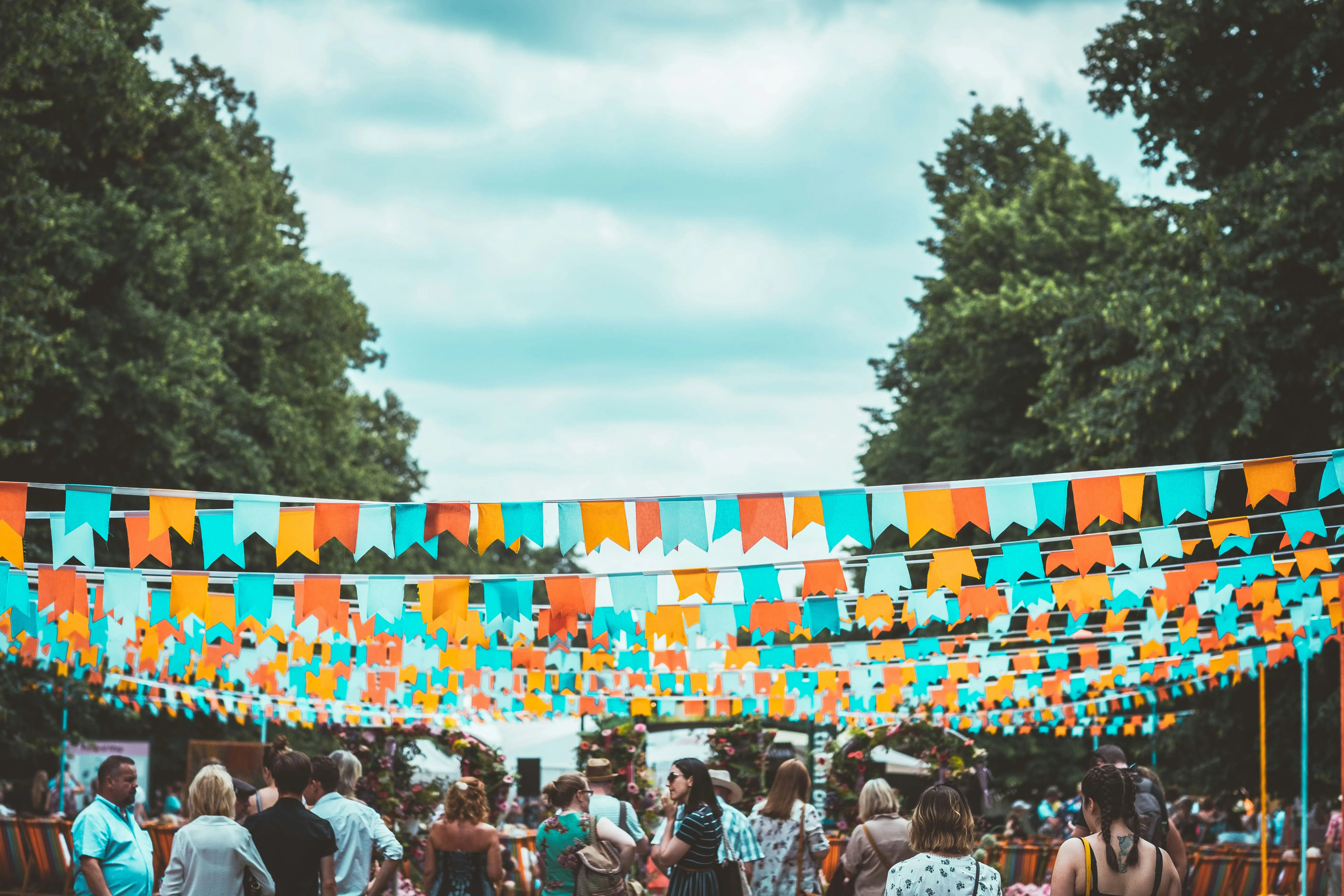
Another important point is to avoid choosing materials that are more difficult to recycle, like metallic plastics. Additionally, by making your own decorations, you reduce the need for transportation and packaging — lowering the event's environmental footprint.
This practice also opens the door for collective engagement: organizing craft workshops with children and friends to create decorations makes the celebration even more meaningful.
Read more
Ideas for toys made from recycled materials
2. Waste management: from planning to proper disposal
One of the biggest environmental impacts of events is the volume of waste generated. At the last World Cup in Qatar in 2022, for example, 2,500,000 tons of waste were generated in the stadiums, according to the country's World Cup Organizing Committee – 80% of which was recycled.
However, without proper organization, recyclable materials often end up being disposed of incorrectly, reducing their chances of reuse.
Remember that sustainability begins even before the party, with planning what to acquire. Some good practices for this include:
- Avoid products with excessive packaging
- Prefer bulk purchases
- Plan consumption to avoid leftovers
During the event, proper segregation is essential. Providing clearly labeled bins (recyclables, organics, and general waste) significantly increases the likelihood of appropriate disposal – and it's a good idea to inform guests about waste separation and even create incentives, such as small gifts, for those who help with recycling.
Another often-overlooked aspect is organic waste, such as food scraps, which can be directed to composting, transforming into fertilizer — a simple solution with a significant positive impact.
Read more
The importance of selective waste collection
3. Sustainable food: choices that go beyond the menu
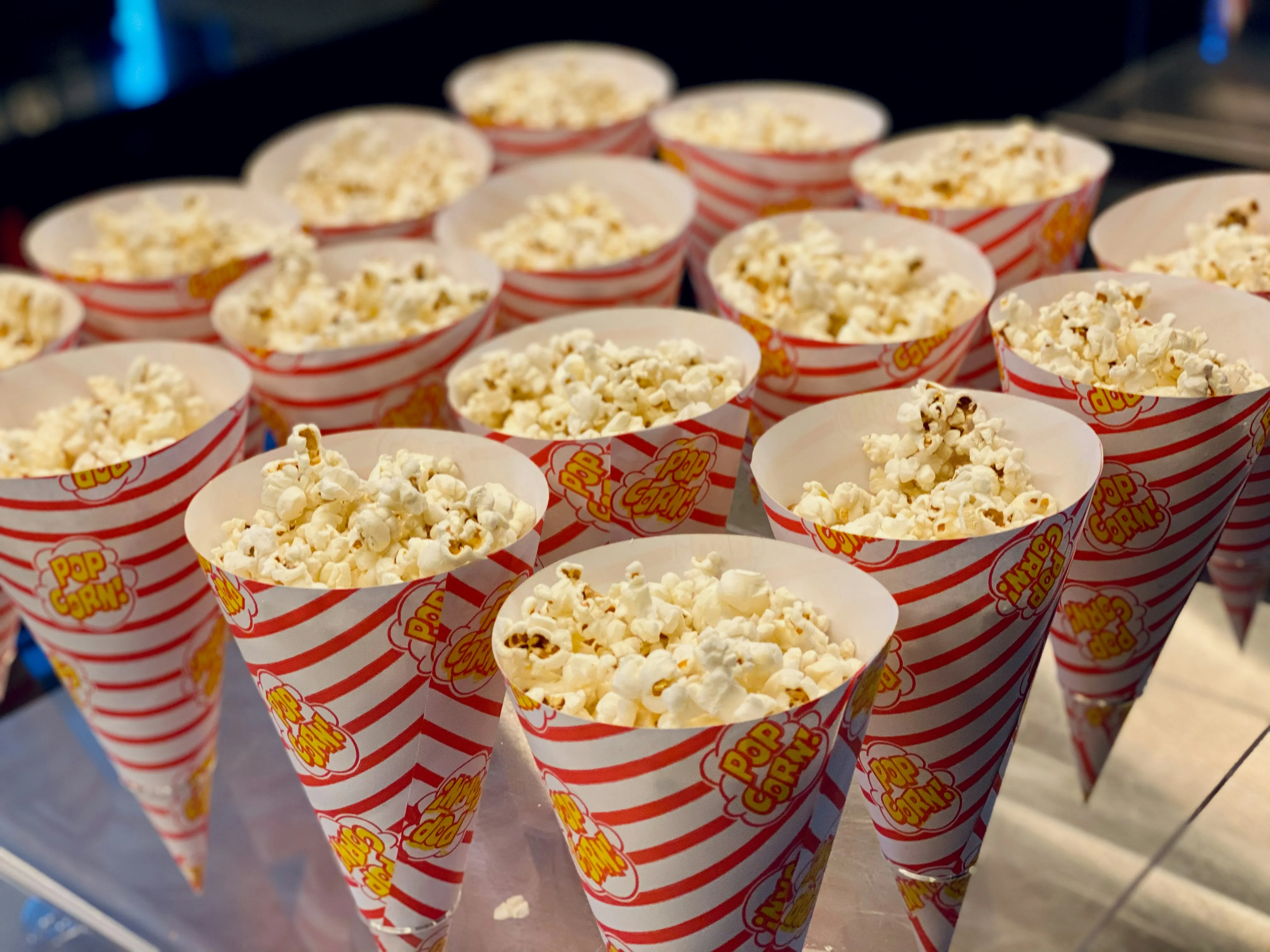
Food is often the centerpiece at these events — from boiled corn and 'quentão' at June festivals to popcorn, barbecue, and snacks during World Cup games. Making food more sustainable involves three main dimensions: origin, quantity, and utilization.
Food origin
Prioritize local and seasonal ingredients. During Festa Junina celebrations, this is naturally favored, with foods like corn, peanuts, and cassava, which are strongly present in Brazilian local agriculture. Buying from small producers or farmers' markets also strengthens the regional economy.
Waste reduction
Carefully estimating portions prevents excessive leftovers. A practical tip is to prepare dishes that can be reused later or frozen.
Full utilization
Peels, stalks, and seeds can be used in creative recipes, reducing waste and increasing nutritional value.
Additionally, offering vegetarian options or those with less meat can help reduce the carbon footprint associated with food.
4. Alternative Bonfires at Festa Junina: Tradition with Responsibility
The bonfire is an important cultural symbol of Festa Junina celebrations, but its use can generate significant environmental impacts, especially related to pollutant emissions and safety risks, such as fires.
An alternative for sustainable events is to use symbolic bonfires, made with LED lighting, fabrics, paper, or cellophane, which reproduce the visual effect without emitting smoke.
5. Energy Consumption: Efficiency During Games
Watching the World Cup in a group typically involves televisions, projectors, speakers, and lighting — which can increase energy consumption. To minimize this, a few simple practices make a difference:
- Prioritize equipment with energy efficiency labels
- Turn off devices that are not in use
- Avoid leaving devices in standby mode for long periods
- Use natural lighting whenever possible
6. Sustainable Fashion: Style Without Excessive Consumption
Themed shirts for World Cup games, Festa Junina outfits, and accessories are part of the fun, but they don't have to lead to unnecessary or excessive consumption. Try to value what you already have, with actions such as:
- Customize old clothes with paints, patches, or cutouts
- Swap with friends or family
- Reuse items from previous parties
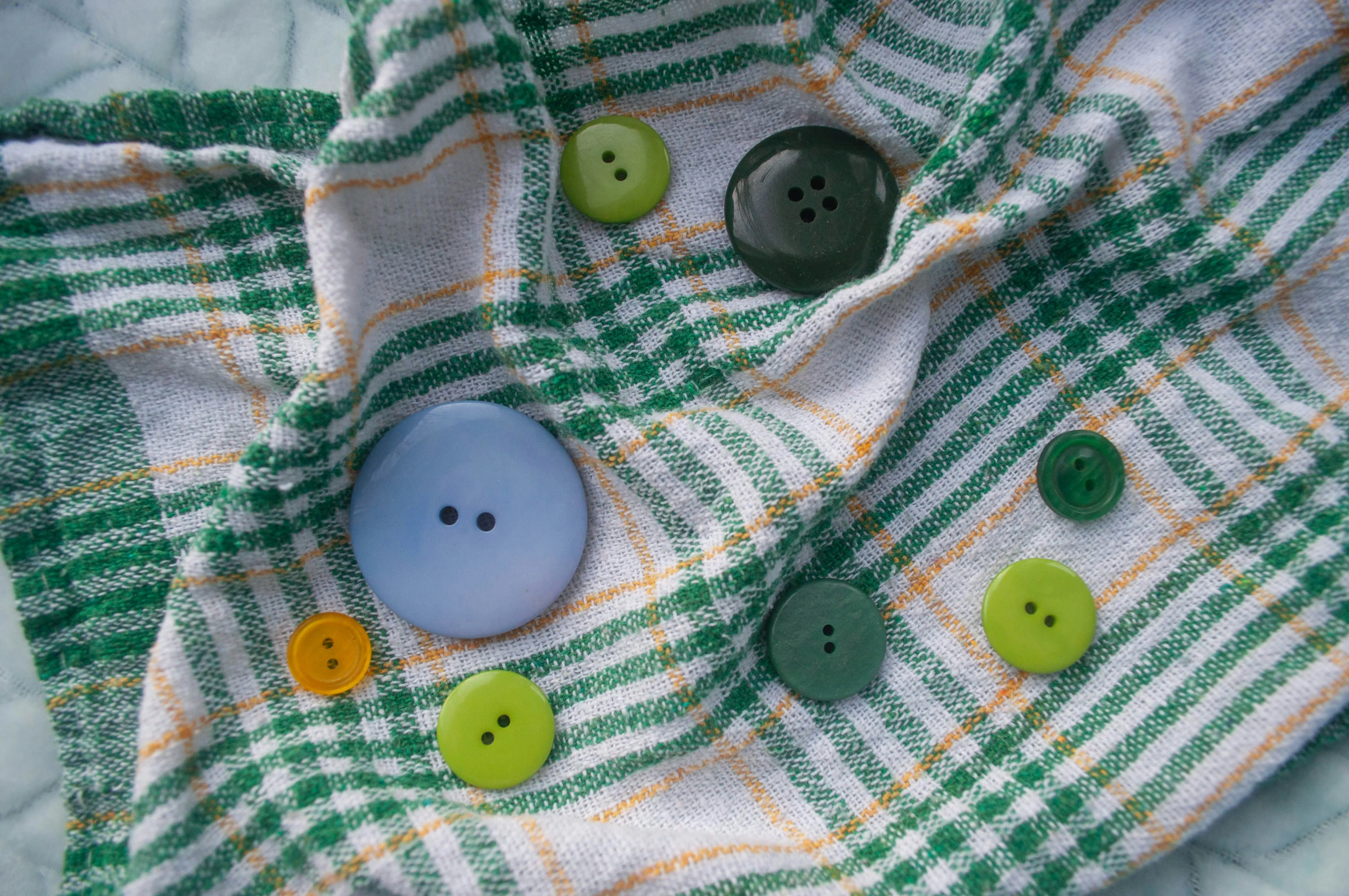
More than just sustainable, these practices encourage originality and creativity. After all, each piece becomes unique.
Read more
20 upcycling tips to transform what you already have at home
7. Conscious consumption: value sustainable companies and brands
The consumption choices made for these events also have a significant impact and can be an opportunity to encourage more responsible practices in the market.
Whenever possible, opt for products and services from companies committed to sustainability, which adopt practices such as using renewable raw materials, reducing emissions, respecting communities, and ensuring transparency in the production chain.
This applies to various aspects of the celebration, such as food, drinks, napkins and cups, decorations, and even themed items like t-shirts and accessories.
Seeking out brands that use packaging from renewable sources, which can be recycled, or that promote a circular economy, for example, helps reduce the overall environmental impact of the event.
Supporting responsible companies is also a way to signal to the market the importance of sustainability. Each individual choice helps strengthen business models that are more conscious and aligned with the planet's future.
8. Engagement and culture: sustainability as part of the experience
Events are powerful spaces for social influence. Incorporating sustainable practices can inspire deeper changes in guests that will last long after the event.
To encourage this cultural transformation, you can communicate the event's sustainable proposals in advance, even on the invitation, so that people understand there is a concern for conscious consumption.
It's also interesting to share fun facts or "green tips" during the event, which can be displayed on posters (even better if made from reused materials or renewable sources, like paper). More than just rules, the important thing is to create an environment of collective awareness where everyone participates naturally.
Read more
10 fun facts about recycling for kids
Conclusion
Celebrating sustainably is a choice that combines the tradition of the World Cup and June Festivals with an eye towards the future. By rethinking consumption, disposal, and organizational habits, it's possible to reduce environmental impacts without sacrificing joy, and also strengthen important values such as responsibility, collaboration, and care for future generations.
The World Cup and June Festivals are perfect opportunities to show that large celebrations can also be more conscious.
.svg)