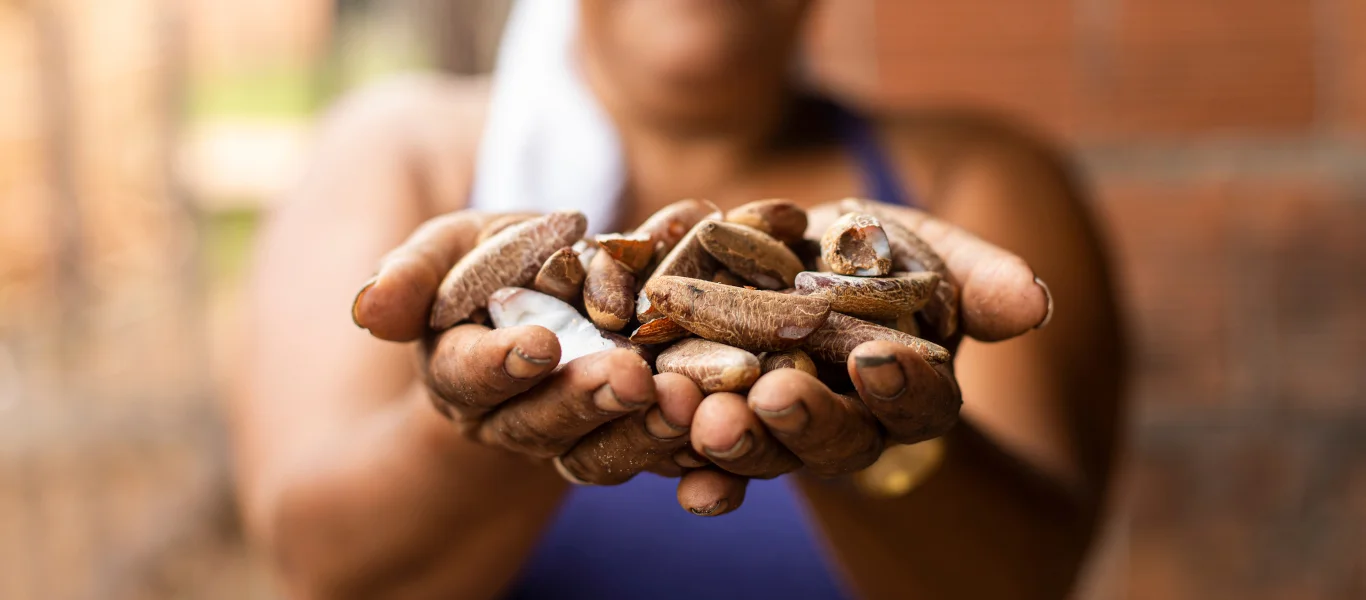
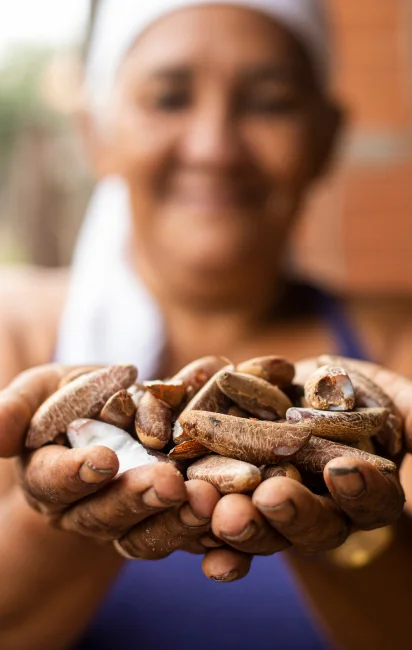
Mãos abertas segurando sementes de baru com casca, com fundo desfocado de uma pessoa.Pessoa segurando várias castanhas do Brasil nas mãos sujas de terra.

Suzano in Maranhão

We have been in the Maranhão city of Imperatriz since 2011, when we began the construction of our pulp mill. With our arrival in the region, we contributed to the 71% increase in the Gross Domestic Product (GDP) per capita of Imperatriz, making the city the second most exported municipality in the state.

The Maranhão operation, which also encompasses Suzano's operations in Pará and Tocantins, includes

1 plant in Imperatriz

with a production capacity of 1.7 million tonnes of pulp and 60,000 tonnes of tissue per year

247,000 hectares

of eucalyptus farm areas

311,000 hectares

of conservation areas

10,000 hectares

dedicated to Forestry Support, a program that encourages partnerships between companies in the forestry sector and small and medium-sized rural producers

32,000 hectares

intended for future eucalyptus planting and infrastructure areas

Environmental Care in the Region

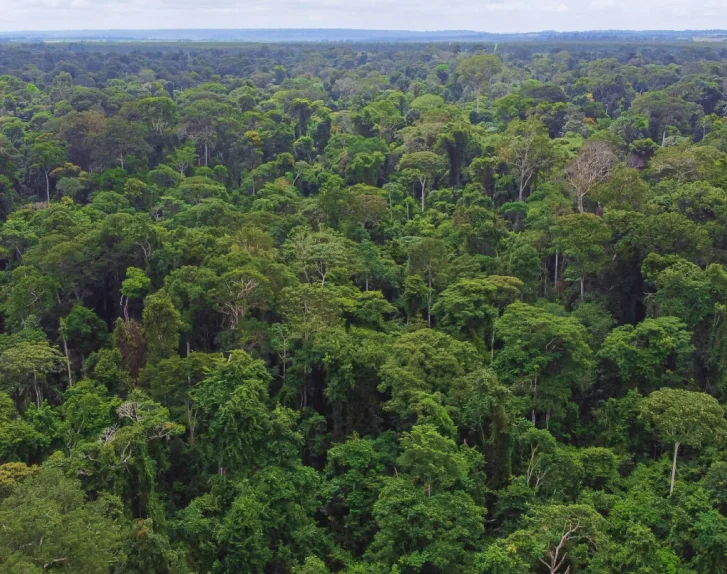
Vista aérea de uma densa floresta tropical com copas de árvores verdes se estendendo até o horizonte.

In Maranhão, Pará and Tocantins, we dedicate about 311,000 hectares to environmental conservation. Of this total, around 53,000 hectares are protected as High Conservation Value Areas (HCVA), which are places with exceptional or critical attributes for the environment and society.

Vista aérea de uma densa floresta tropical com copas de árvores verdes se estendendo até o horizonte.

Learn about other important indicators

1,500

fauna and flora species have already been registered in Maranhão through the Biodiversity Monitoring Program

57

registered species pose some degree of threat, such as Ararajuba, whose scientific name is Guaruba Guarouba

221,000

hectares of native vegetation fragments will be connected by 2030 in Maranhão and Pará through an Ecological Corridor, which unites native forests and conserves biodiversity

9,000

people sensitized to environmental issues through the Floresta Viva program, which includes lectures at schools, visits to communities, and institutional campaigns

Our
Social Performance

We invest in and drive social development in Maranhão, Pará, Ceará and Tocantins. Check out some of our 2024 results

108,607

people benefited from our social programs and initiatives

5,578

people lifted out of poverty

14.3

Millions of reais of investment in
social projects

111

schools benefiting from the Suzano Education Program

58,449

people benefiting from the Suzano Education Program

649

education professionals participating in the Suzano Education Program

Gráfico circular verde com barras radiais variando em comprimento sobre fundo preto.

Social projects supported by Maranhão

Learn about some social initiatives that we have developed in the state:

Vista aérea de uma árvore verde com sombra projetada sobre fundo preto.

Sumaúma Sustentável

Ribamar Fiquene, Maranhão

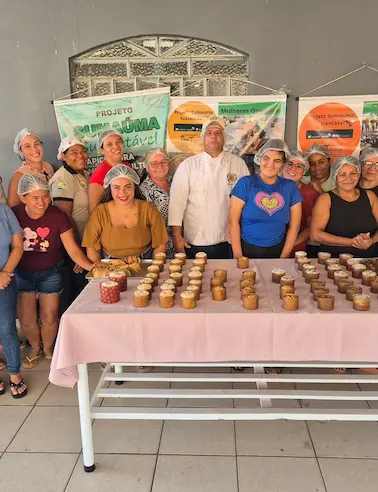
The Frei Tadeu Association, responsible for developing the Sumaúma Sustentável project supported by the company, is headquartered in Ribamar Fiquene (MA), 70 km from Suzano's factory in Imperatriz. The initiative promotes income generation and productive inclusion for families in situations of economic vulnerability in the municipality and its surroundings.Suzano and Sofidel, the leading Italian tissue manufacturer, have teamed up for the initiative Together, we plant the future: developing biodiversity corridors for a more sustainable future. A three-year pilot project that will promote ecological conservation and restoration, and socioeconomic development in the Amazon region of Brazil. In addition to the two companies, the Brazilian Institute for Development and Sustainability and the Amazon Onlus, an Italian non-profit organization that fights for the defense of the forest and the population of the Amazon, are also participating in the initiative, responsible for supporting and implementing the strategies developed.


The project aims to strengthen rural and peri-urban entrepreneurship by offering culinary courses and sustainable artisanal cheese production training, as well as training in beekeeping and meliponiculture. It also contributes to short-term gains through vegetable production. Its actions are organized into three main pillars: training, production, and commercialization.


Watch the video and meet Raquel Silva, a cheesemaker who, through the Sumaúma Sustentável Project, learned to diversify her production and transformed her business vision.

Watch the project video

Sustainability Space

Imperatriz, Maranhão

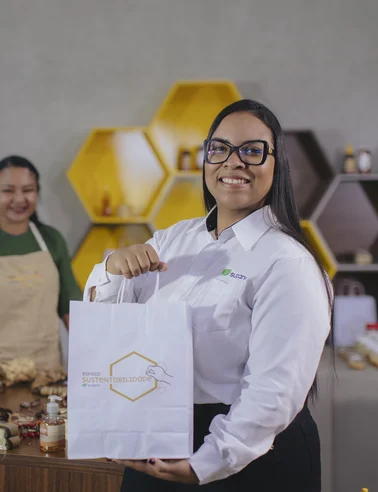
The Sustainability Space is a permanent environment, located at the factory in Imperatriz, dedicated to the commercialization of artisanal and sustainable products developed by social projects supported by the company. The initiative contributes to income generation and the social impact for small entrepreneurs in the region — artisans, beekeepers, confectioners, farmers, and extractivists.

Inaugurated in November 2024, the Space has transformed the lives of local entrepreneurs and strengthened communities in Maranhão municipalities such as Imperatriz, Açailândia, and João Lisboa. In its first year of operation, it directly impacted 113 people, with 30 market vendors supported by the project's actions and 83 family members benefiting. During this period, it boosted the local economy with the sale of 25,489 products, generating over R$ 260,780.00 for the communities.

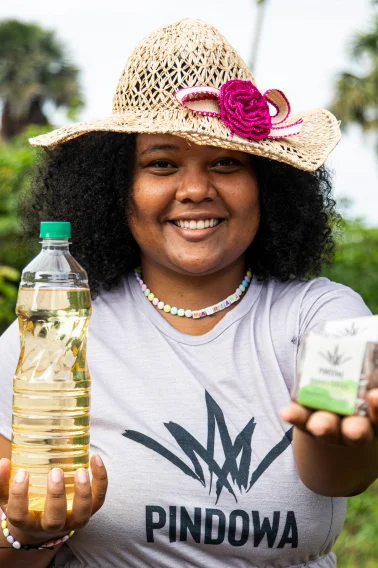
Mulher sorridente com chapéu de palha segurando uma garrafa plástica com líquido amarelo em uma mão e uma caixa pequena na outra, vestindo camiseta com logo Pindowa.

Sustainable Extractivism

Maranhão and Tocantins

Suzano invests in strengthening extractive communities, valuing the bioeconomy and expanding opportunities through the commercialization of socio-biodiversity products. Among these initiatives, support for strengthening the babassu coconut chain stands out, a symbol of resilience, culture, and livelihood for countless families.

The Pindowa Project operates in Maranhão and Tocantins, bringing together approximately 300 families of babassu coconut breakers. The initiative promotes the preservation of traditional culture, sustainable management, and production diversification, offering items such as oils, food, soaps, and handicrafts, all derived from sustainable babassu extraction. Currently, the project no longer receives financial investment from Suzano, but the partnership remains active, based on cooperation, dialogue, and recognition of the importance of this work for the communities and the territory.

Watch the video and meet Bárbara Pereira and Zuleide Pereira, beneficiaries of the Pindowa project.

Watch the project video
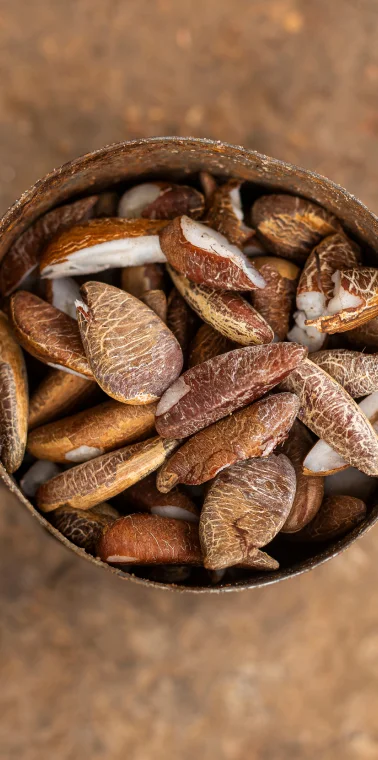
Vários castanhas-do-Brasil inteiras em uma tigela redonda sobre superfície marrom.

From Extractivism to Social Entrepreneurship

Maranhão and Tocantins

The "From Extractivism to Social Entrepreneurship" project, a partnership between Suzano, the Brazilian Biodiversity Fund (Funbio), and the Amazon Extension Development Agency, aims to strengthen sustainable extractivism in the state by improving the management, production, and commercialization of community products. It directly benefits 13 communities across the Maranhão municipalities of Imperatriz, Buritirana, João Lisboa, Cidelândia, and Davinópolis.

One of the project's major milestones was the construction of the Estrela da Serra Handicraft Center in the Centro dos Carlos community, João Lisboa. This space serves as a hub for the production and sale of socio-biodiversity products, featuring bio-jewelry, soaps, and decorative items handmade by extractive communities — pieces that convey the identity, creativity, and strength of these communities.

Watch the video and meet Clemilsa Silva and Ana Cristina, beneficiaries of the "From Extractivism to Social Entrepreneurship" project.

Watch the project video

Can we help?

Find the answer you need in our Frequently Asked Questions. If you prefer, contact us through Contact Us.