

Suzano for the Future
We implement social development projects throughout Brazil and establish partnerships that help us boost local growth.

Our Partners



What is Suzano for the Future?

Suzano for the Future is Suzano's sustainability education initiative. Created as part of the company's centennial, it brings together long-term investments in research and education, focusing on partnerships and structures that contribute to the initiative's longevity.
Brazil is at the heart of this endeavor. The initiative prioritizes research and training topics connected to the country, values Brazilian students—including in international partnerships—and supports the generation of knowledge based on Brazilian contexts and challenges, in dialogue with leading academic institutions in Brazil and abroad.
Your goals are:
Education for Sustainability
Expand the contribution of education and science toward building more sustainable paths for society
Knowledge Generation and Dissemination
Foster the generation and dissemination of scientific knowledge on topics relevant to Brazil, in connection with global networks and perspectives
Global Collaboration
Strengthen collaborative networks between universities, researchers, students, and partners
New Leadership
Promote education for sustainability, contributing to the development of leaders prepared to address socio-environmental challenges;
Regional Efforts

We strive to grow together with the Brazilian towns that host our operations. We foster dialogue with the communities where we operate to understand their main needs. Based on that, alongside our partners, we propose socioeconomic development projects and initiatives in the regions where we operate. Learn about our regional efforts on the Neighboring Communities page.
O que são as linhas de pesquisa?
As linhas de pesquisa reúnem estudos conduzidos por universidades parceiras a partir de contextos e desafios brasileiros, com temas definidos em conjunto com a Suzano.
Cada linha concentra os materiais produzidos ao longo do tempo, papers, publicações, registros das rodadas de campo e depoimentos de pesquisadores, e cresce conforme novas entregas são recebidas.
07
LINHAS ATIVAS
03
INSTITUIÇÕES PARCEIRAS
Suzano for the Future International
Cambridge & Jesus College
The partnership with the University of Cambridge and Jesus College combines research and academic training with a focus on topics relevant to Brazil. Jesus College, one of the academic institutions that make up the University of Cambridge, hosts the fellowships supported by Suzano, playing a direct role in the academic support and well-being of graduate students.
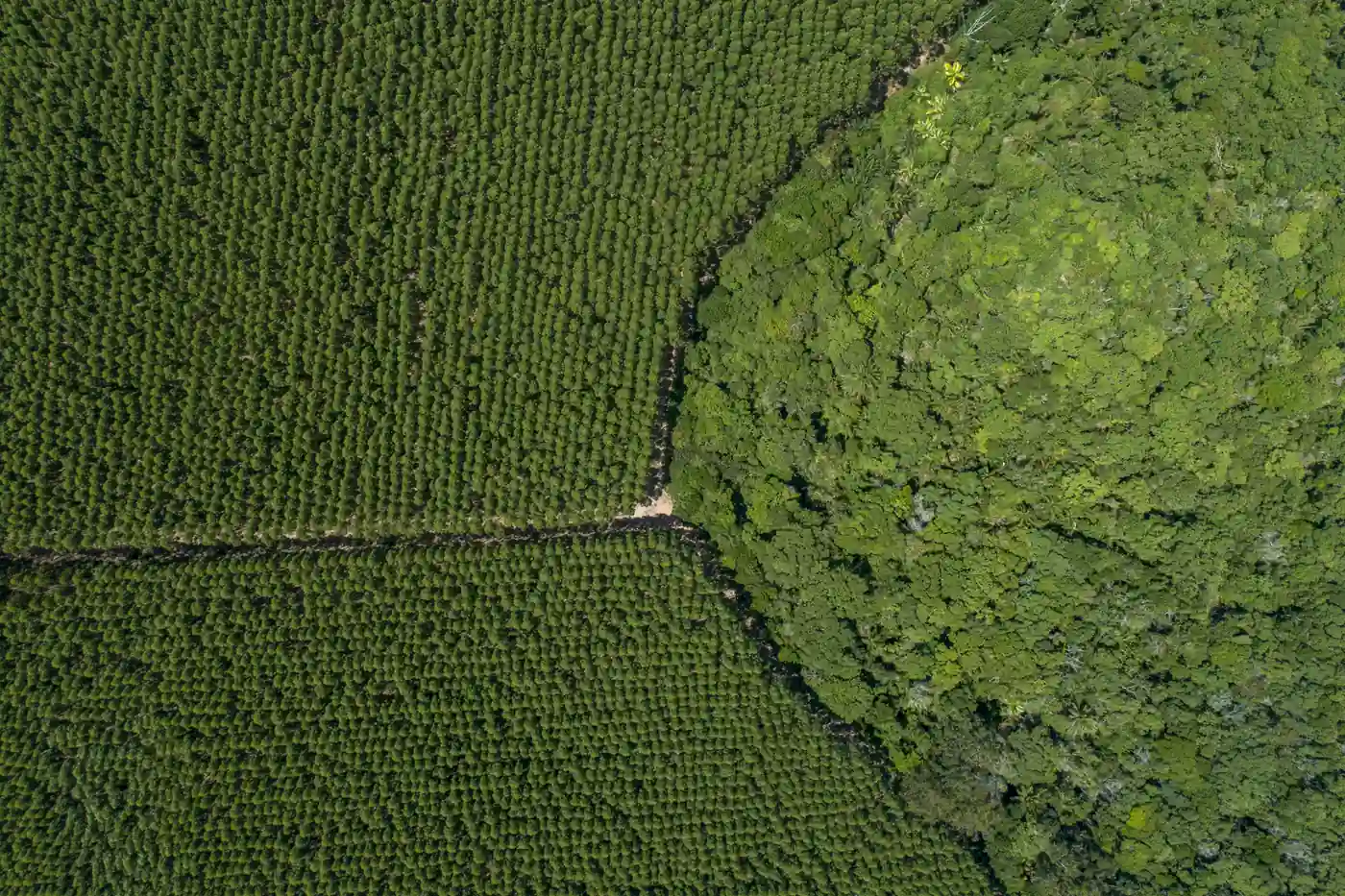
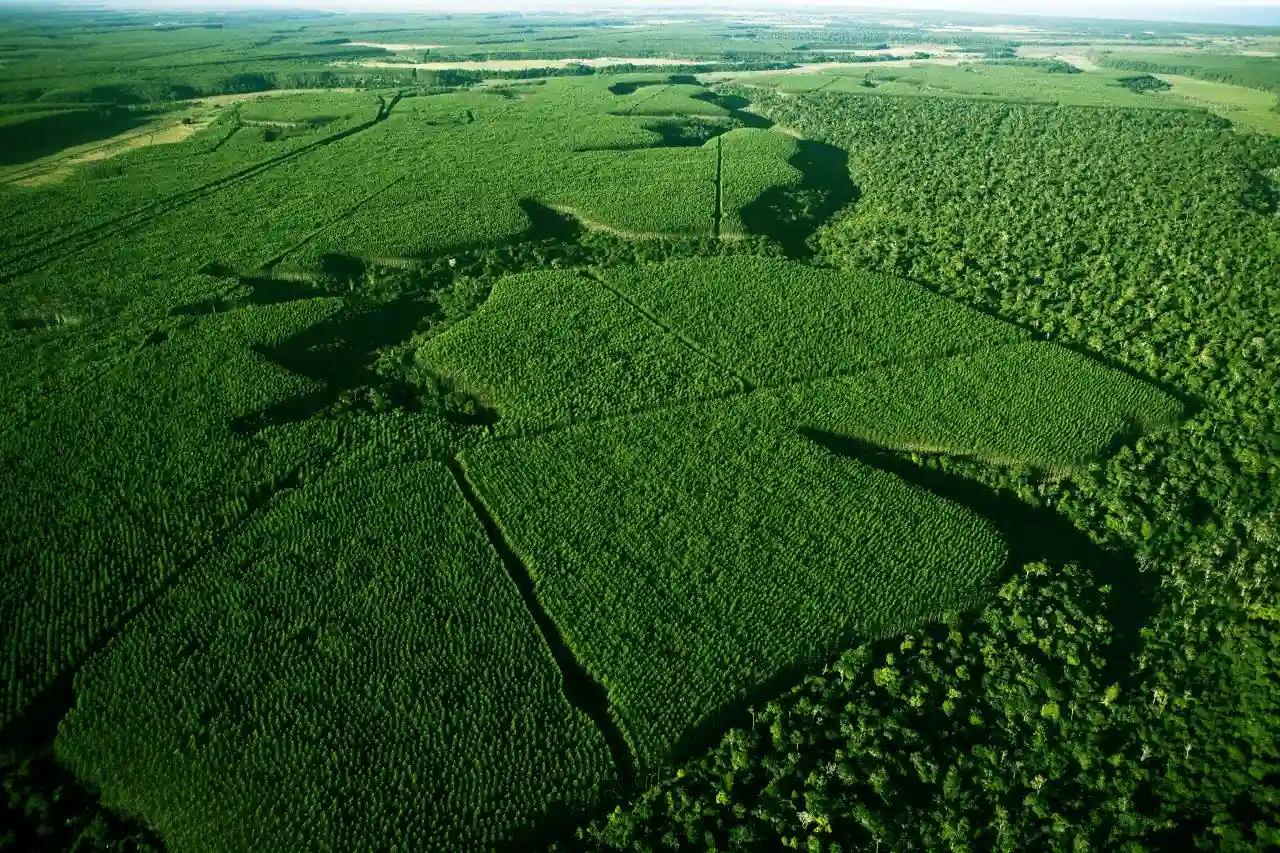
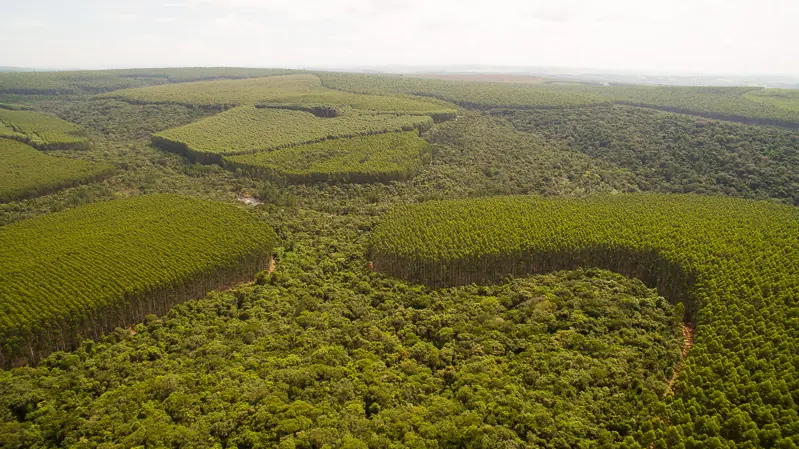
It also allows researchers to access contexts, data, and territories connected to Suzano's operations, supporting the generation of scientific knowledge based on challenges and opportunities related to the country. These assets include areas eligible for conservation in protected biomes totaling approximately 1.1 million hectares, distributed across the Amazon, Cerrado, Atlantic Forest, and Pantanal.
This partnership includes:
- 4 research areas focused on strategic topics for Brazil
- 5 perpetual master's fellowships for Brazilians
- scientific knowledge production based on Brazilian contexts and challenges;
- Strengthening the connection between academic training, research, and international collaboration

Silvicultura Sustentável e Justa no Brasil: Identificando Sinergias entre Papel e Celulose (P&P) e Transições Bioeconômicas Regionais
A pesquisa investiga como a indústria de papel e celulose (P&P) pode contribuir para uma transição bioeconômica regional no Brasil que seja ao mesmo tempo sustentável e socialmente justa. O foco está em identificar sinergias entre práticas florestais responsáveis, desenvolvimento territorial e inclusão socioeconômica, especialmente em regiões com forte presença da cadeia produtiva florestal.
A pesquisa busca compreender como o setor pode alinhar seus modelos de negócio com estratégias de conservação ambiental e valorização da biodiversidade, promovendo inovação e geração de valor local. Além disso, o estudo considera os impactos sociais e econômicos da expansão florestal, propondo caminhos para que comunidades locais, povos tradicionais e pequenos produtores sejam protagonistas na construção de uma bioeconomia inclusiva.
A abordagem interdisciplinar envolve políticas públicas, governança territorial, cadeias produtivas sustentáveis e justiça ambiental, com o objetivo de transformar o setor florestal em um agente estratégico para o desenvolvimento regional e a mitigação das mudanças climáticas.
Análise Territorial e Ecologia Política da Silvicultura no Brasil
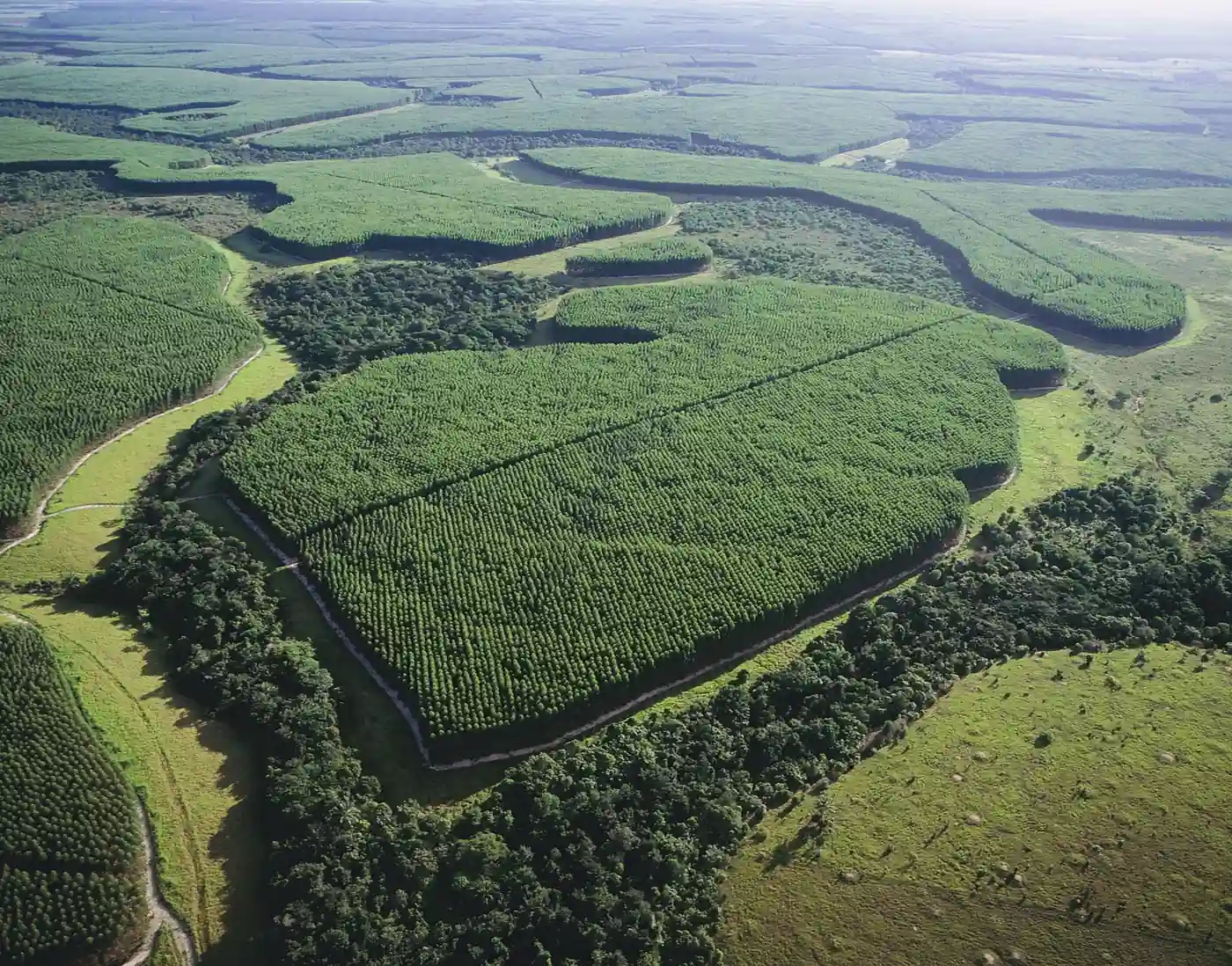
A pesquisa tem como objetivo aprofundar a compreensão sobre os impactos socioambientais da silvicultura comercial no Brasil, com foco nas áreas de atuação da Suzano. Por meio de uma abordagem interdisciplinar, o estudo investiga as dinâmicas territoriais associadas à expansão florestal, considerando aspectos como uso da terra, biodiversidade, governança e relações com comunidades locais. Um dos pilares da pesquisa é o uso de dados de georreferenciamento, que permitem mapear com precisão os territórios influenciados pelas operações florestais.
A partir de ferramentas de sensoriamento remoto e sistemas de informação geográfica (SIG), são geradas análises espaciais que subsidiam decisões estratégicas, promovem maior transparência e fortalecem o compromisso da Suzano com o desenvolvimento sustentável e a justiça socioambiental. Esses dados contribuem para identificar oportunidades de melhoria, apoiar políticas públicas e orientar práticas empresariais alinhadas à conservação ambiental e à inclusão social.
INSEAD
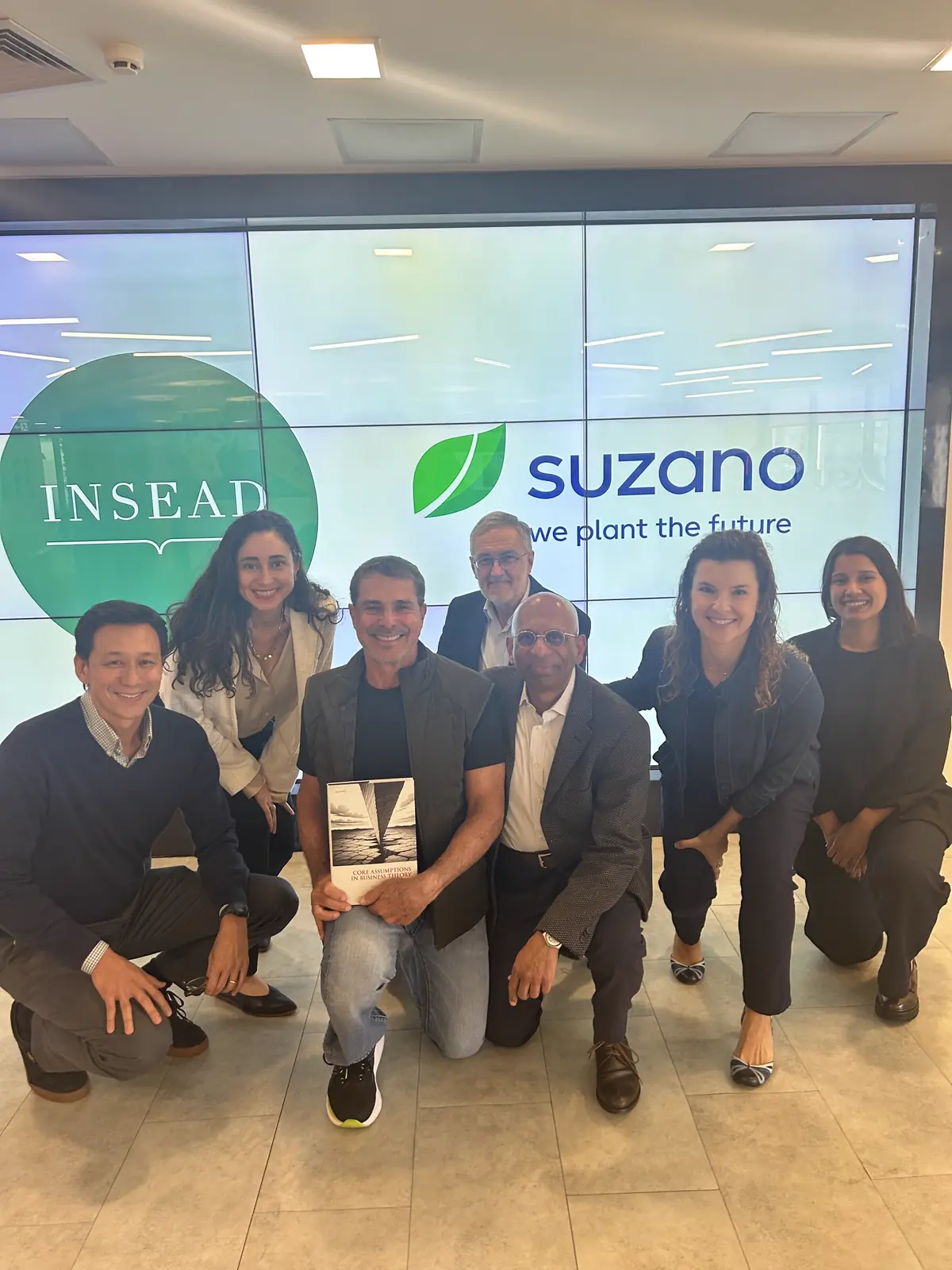
The partnership with INSEAD strengthens Horizonte Suzano's work at the intersection of sustainability, business, and leadership. Through the INSEAD Suzano Collaboration for Progress initiative, the partnership supports the generation and dissemination of knowledge in Sustainability and Progress, bridging research, training, and sharing with key stakeholders.
- 4 research areas focused on strategic topics for Brazil
- 5 perpetual master's fellowships for Brazilians
- Scientific knowledge production based on Brazilian contexts and challenges
- Strengthening the connection between academic training, research, and international collaboration
Stanford
The partnership with the Stanford Doerr School of Sustainability is focused on developing talent and strengthening knowledge production on strategic topics for Brazil. It includes a permanent chair for a Brazilian professor and at least 6 perpetual graduate fellowships.
This partnership includes:
- A permanent chair for a Brazilian professor
- At least 6 perpetual graduate fellowships
- Academic training in sustainability-related fields
- Strengthening the production of knowledge on topics relevant to the country, in dialogue with a global academic network
Learn about the opportunities supported by the partnership, eligibility criteria, and the next steps for applying here.

Suzano for the Future Brazil
Cambridge & Jesus College
A parceria entre a Suzano e a Universidade de São Paulo (USP) amplia a atuação do Suzano para o Futuro no Brasil e fortalece o investimento de longo prazo em educação, ciência e sustentabilidade.
Por meio do Fundo Patrimonial da USP, a parceria prevê a criação de um fundo perene para apoiar, de forma gradual, 100 bolsas de graduação e iniciação científica. Desse total, 30 bolsas serão direcionadas ao USP Diversa, programa de permanência estudantil voltado a estudantes em situação de vulnerabilidade socioeconômica, e 70 apoiarão projetos de iniciação científica relacionados à mitigação das mudanças climáticas.
A iniciativa combina formação de talentos, inclusão e produção de conhecimento científico para contribuir com respostas aos desafios socioambientais do Brasil. A seleção dos estudantes será conduzida exclusivamente pela USP, de acordo com seus critérios acadêmicos e institucionais.
Strategic partnership with one of the world's most respected institutions and Jesus College, recognized for promoting diversity, inclusion, and academic excellence.

Histórias e Experiências
Conheça as histórias inspiradoras de quem já faz parte do Suzano para o Futuro
"Suzano's partnership has enabled us to develop cutting-edge tools for measuring nature recovery at scale, combining field observations, LiDAR and satellite data. Together, we are generating robust evidence on what works in restoration, helping to strengthen biodiversity recovery, climate mitigation and landscape regeneration across Brazil."

"Partnerships like the one between Suzano and INSEAD are how ideas travel from the eucalyptus farms of Brazil to classrooms where the next generation of global leaders debates what it takes to build sustainably a company for the next 100 years."

"We rely on philanthropic support to achieve our mission and we are grateful to organizations such as Suzano who are providing funding support for our graduate students and a future professorship."



Building Horizonte













frequently asked questions
Get your questions answered about Horizonte Suzano