
Founded in 1924, Suzano is a century-old company that completes its 102nd anniversary on January 22, 2026. The largest pulp company in the world, our history is filled with facts and curiosities that you may not know. Below, we share 10 of them — and some are surprising.
1. It all started with a paper firm
A Ukrainian immigrant, Leon Feffer found an opportunity to undertake in Brazil. In 1924, he founded his individual paper trading firm - which would become Suzano. The venture grew and became a small paper bag factory in 1929.

2. Courage is part of our history
In 1939, Leon's business was suffering from a lack of raw materials, as the Second World War made it difficult to import paper into Brazil. And what did our founder do? He decided to make the paper. The problem is that he didn't have the capital for it, so he sold all his assets - including the house where he lived with his family!
The courage worked. Two years later, in 1941, Leon inaugurated the first paper mill, the Ipiranga unit, which was located in the homonymous neighborhood of the capital of São Paulo.

Read more
Cellulose: what it is, what it is for and where it is in your daily life
3. We help revolutionize the pulp and paper industry in the world
Max Feffer, Leon's son, began working at Suzano in 1949 — and his innovative vision became fundamental to the company. So much so that, in 1952, Max began to lead a revolutionary research: the possibility of producing cellulose from eucalyptus planted in Brazil.
The studies yielded fruit and the production of eucalyptus pulp, which began to be carried out by Suzano in 1956, became a new alternative for the industry around the world.

Cellulose is so important that you don't go a day without using a product made from it, such as toilet paper and tissue. Do you want to know how this raw material is produced? Check out the video below that shows one of the steps in the pulp manufacturing process.
4. Our name is a tribute
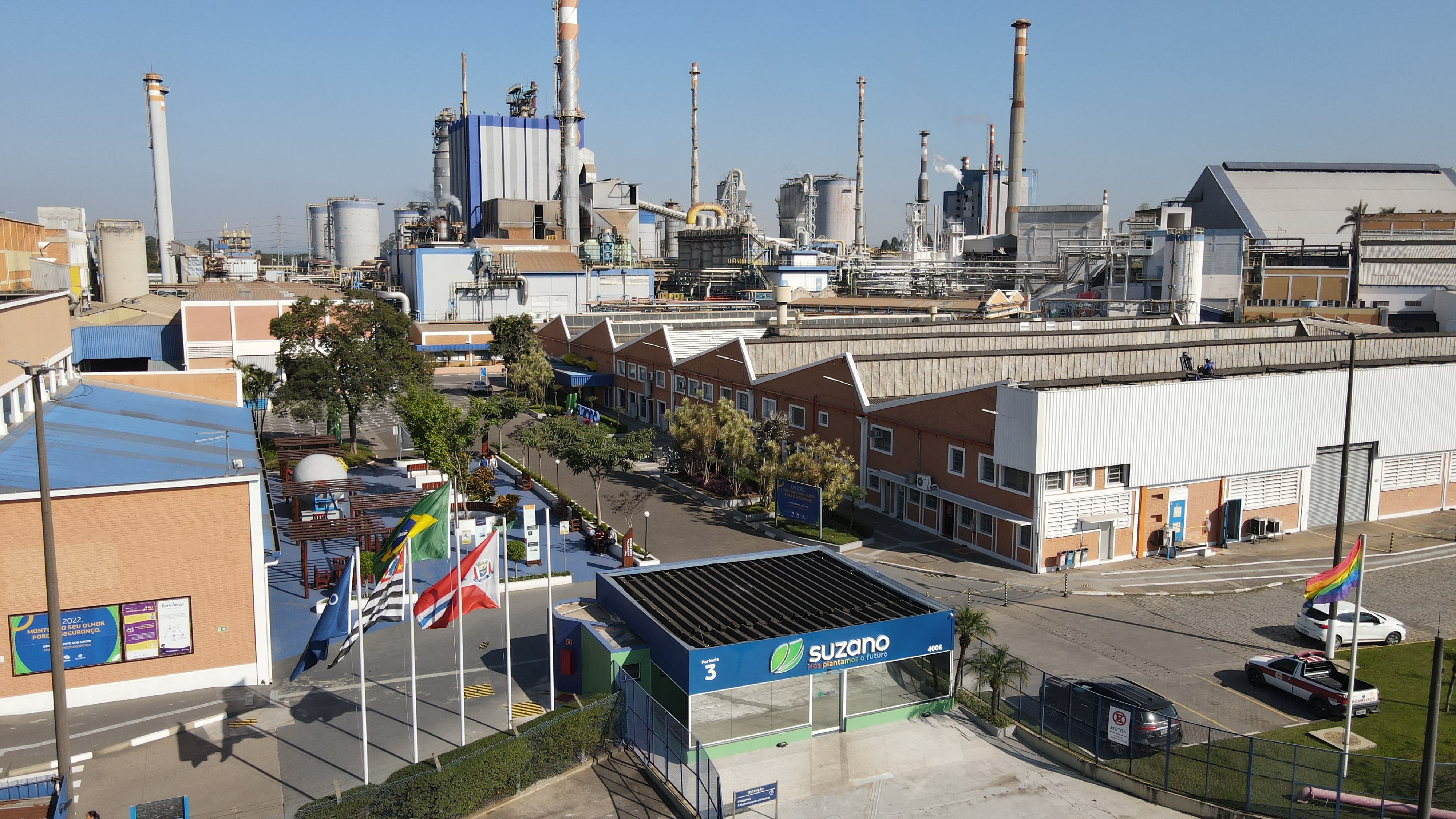
The name of the company is a thank you to the city of Suzano, in the interior of São Paulo, which has welcomed us so well since 1955, when we installed a pilot plant to produce eucalyptus pulp. The Suzano unit is our oldest factory in operation, and this year celebrates seven decades!
Read more
Environmental education: importance and how to implement it in a practical way
5. We are present in the lives of 2 billion people
That's right: around 25% of the world's population uses our products on a daily basis!
You should also use, after all, from our raw materials, items such as toilet paper, tissue, diapers, books, packaging and paper bags and pet mats, for example. Find out more on the page Products and Brands.

6. We have operations in Brazil and around the world
Altogether, Suzano has 12 factories and a joint operation in Brazil and 2 international factories in the United States. In addition, we have offices in 10 countries, including Brazil, and nearly 50,000 people work with us, including our own team and third parties. Check out our addresses on the page Where We Are.

7. We monitor fauna and flora
We have about 1.6 million hectares of planting areas and 1.1 million hectares of conservation areas in Brazil. And we closely monitor all the biodiversity of our lands. Considering the last 12 months, we have registered more than 4,500 species of fauna and flora in our territories, of which about 190 are threatened with extinction and 180 are endemic, meaning that they only live in certain regions. Learn more about our environmental actions on the page Environment and Biodiversity.
.jpeg)
Read more
What are conservation and environmental preservation
8. We follow the Brazilian climate closely
We are the company with the largest number of weather stations in Brazil, with a network consisting of more than 160 stations, both our own and public.
This equipment collects data such as temperature, rainfall volume, and air humidity, which is essential to help us predict climate risks and adopt the best forestry practices.

9. We discovered a new amphibian species
It was in Parque das Neblinas, an environmental reserve located in Bertioga and Mogi das Cruzes (SP), managed by EcoFuturo Institute, from Suzano, that a team of researchers discovered an amphibian species that had not been identified by science. Is it the little frog in the fog, or Brachycephalus ibitinga, your scientific name
The amphibian is between 1.1 and 1.7 centimeters long - smaller than a fingernail! -, it is orange and, in its skin, there is a structure that causes it to glow in ultraviolet light.

10. We plant every day
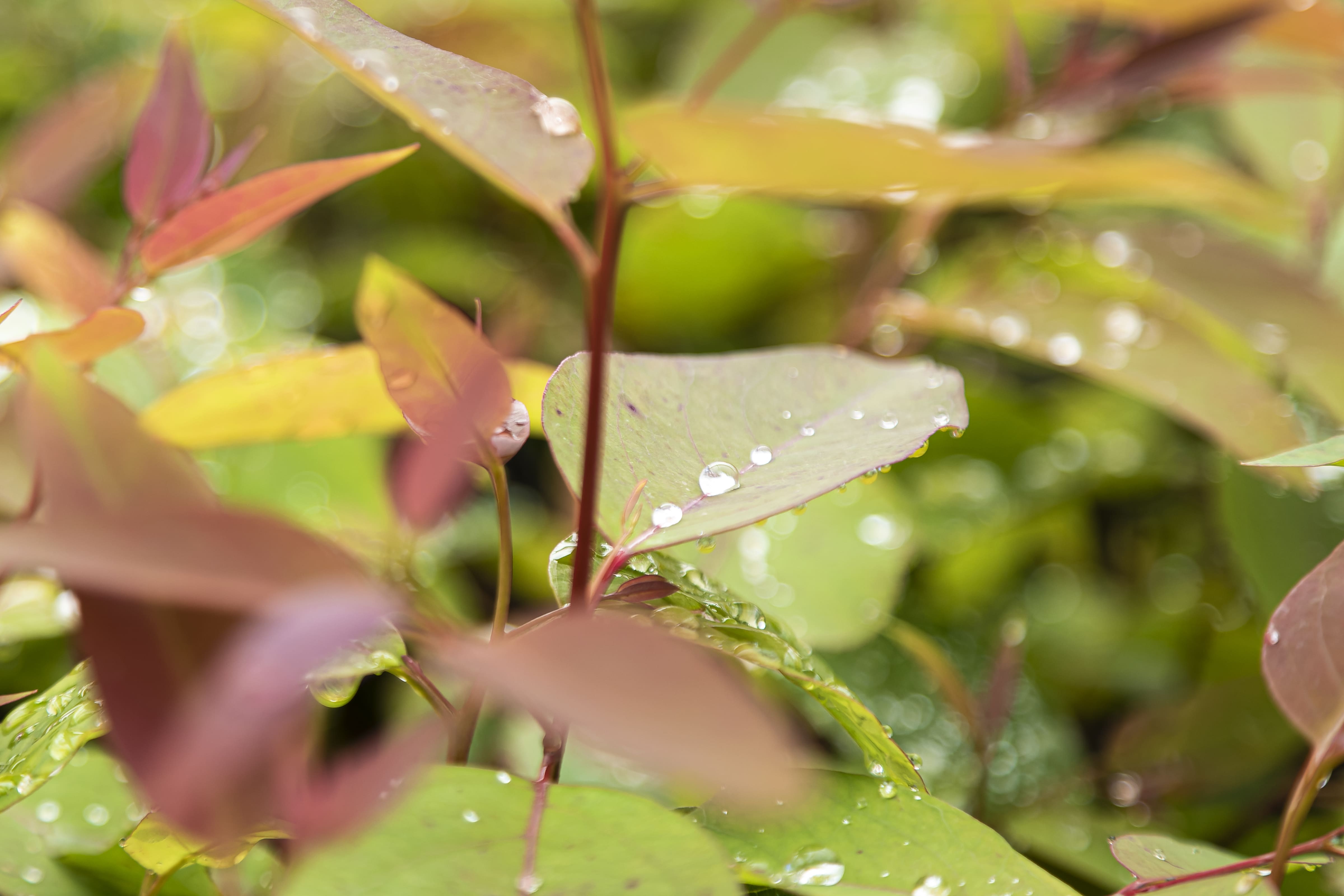
In Brazil, our team plants 1.2 million eucalyptus seedlings every day, all year round. This is fully connected to our purpose of “renewing life from the tree”, manufacturing products and solutions that are more sustainable and that can help replace items of fossil origin, such as plastic.
Did you like our curiosities and want to know more about us? Go to the page of Historia and discover other Suzano landmarks.
.svg)